
Neurodiversity at work
Last month, I attended the Annual Neurodiversity at Work Conference. As some of you may already know, FLP is a neurodiverse team, with several neurodiverse clients, and we always aim to be as neuro-friendly as possible in the way we work.
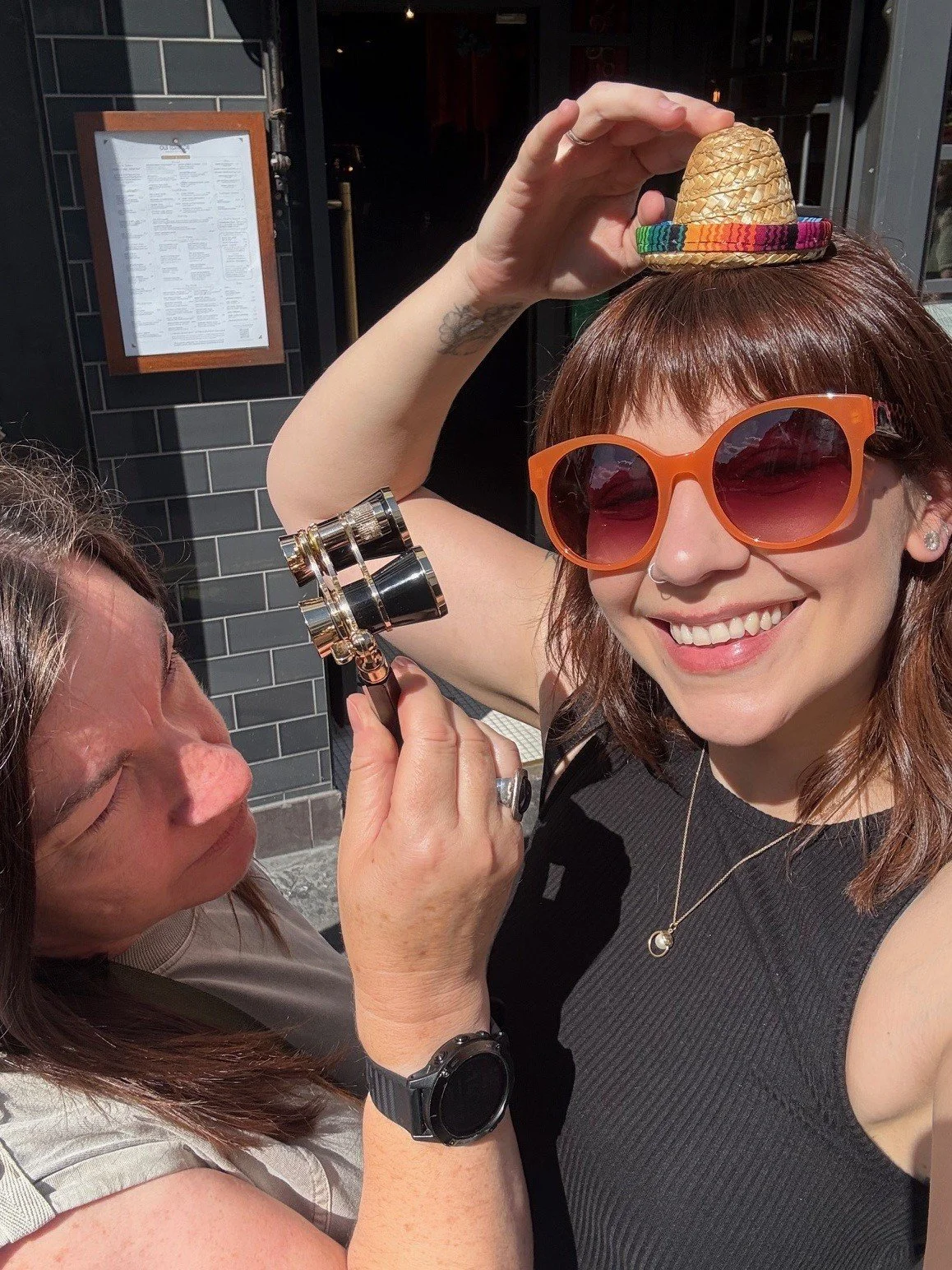
Kate and I having a wonderfully normal time on our FLP anniversary!
As Operations Director, I’m all about process and efficiency, so I went in keen to learn about ways that we may be able to adjust and enhance what we do, to best suit varying needs. I was not expecting to cry, but more on that later...
The conference itself was excellent, and I would highly recommend to anyone else who manages a team, or is responsible for the way things get done. It was a mix of science, lived experience (every speaker was neurodivergent, and most were business owners themselves), and practical ways to become a more neuro-friendly workplace.
“Being neuro-inclusive isn’t about expecting less from people, or accepting poor performance. It’s about providing the psychological safety needed to allow people to develop and reach their potential; to support progression and ambition.”
The message which ran through the whole day was that the vast majority of “reasonable adjustments” – designed to support the needs of neurodiverse team members – actually help everyone. There could be people who are undiagnosed, or who haven’t openly shared a diagnosis, or who simply have traits which are better supported by the adjustments. Importantly, it didn’t make the process any harder for everyone else.
It sounds simple, but if there’s a change that would help some people, without being any more work for the others, why wouldn’t you do it?
I’m sure we’ve all had people in our lives who can be “difficult” in one way or another. It can be frustrating. We’re all human, and we can’t always understand the way other people’s brains work. Next time, if it doesn’t really make a difference for you, try to do it their way - the chances are it will result in a better outcome for everyone.
So, why did I cry? I saw myself in a lot of the things that were being said, and I didn’t expect to. I’ve never had a diagnosis, and I’m not sure I need one, but it really means something to be seen. I work hard, in fact I’m a chronic over-achiever and people-pleaser, but I’ve also always been terrified of failure. If I make a mistake, or if I think I’ve let you down, it physically hurts. It turns out that’s A Thing.
Absolutely everyone will have Stuff. One of the speakers put it brilliantly: “I spent years blaming myself for things my brain simply wasn’t built to do.”
We’re all built a bit different, and that’s ok. In fact, it can be great. There’s no such thing as a perfect person, but you can get pretty close to a perfect team.