
FLP: Live
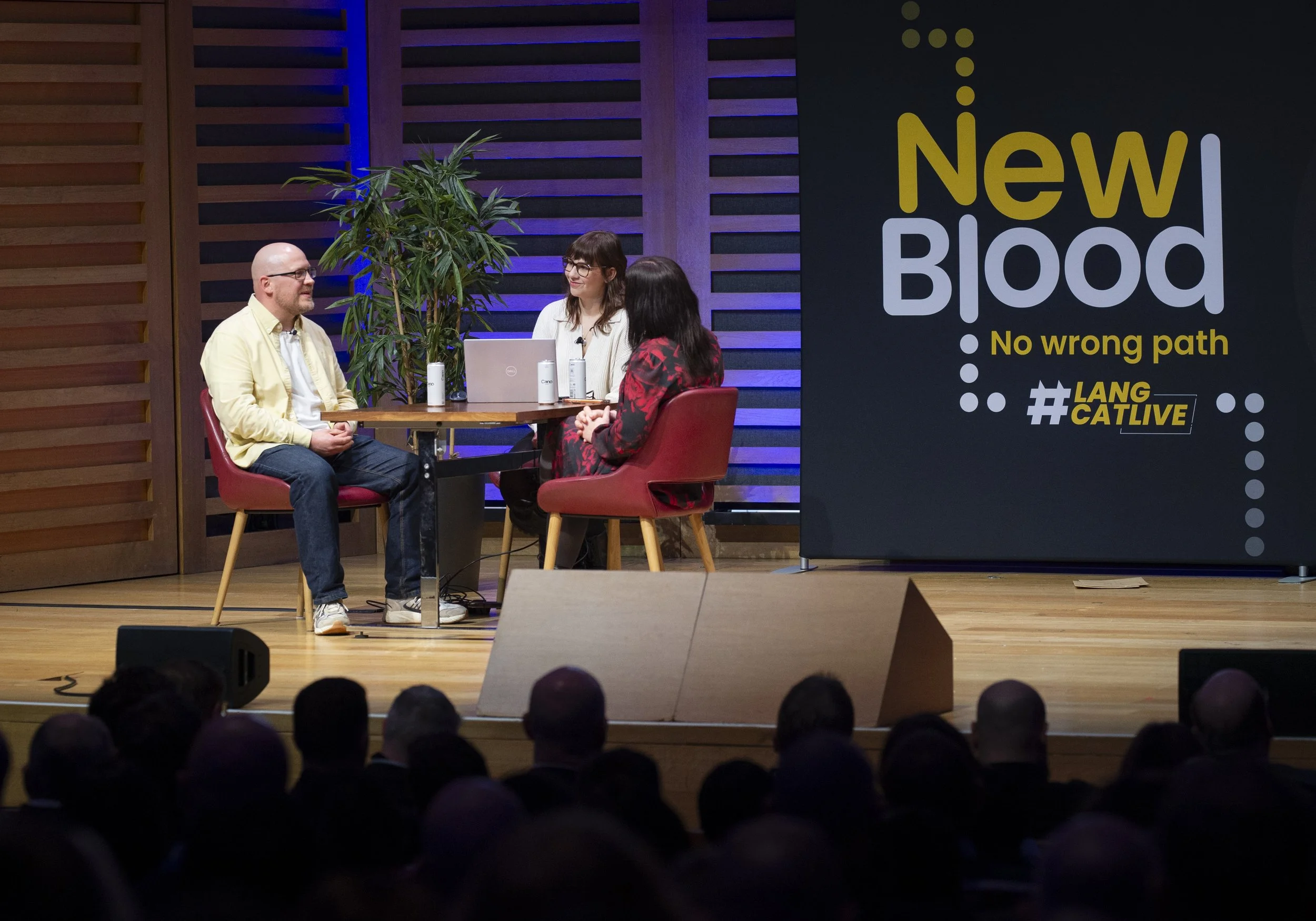
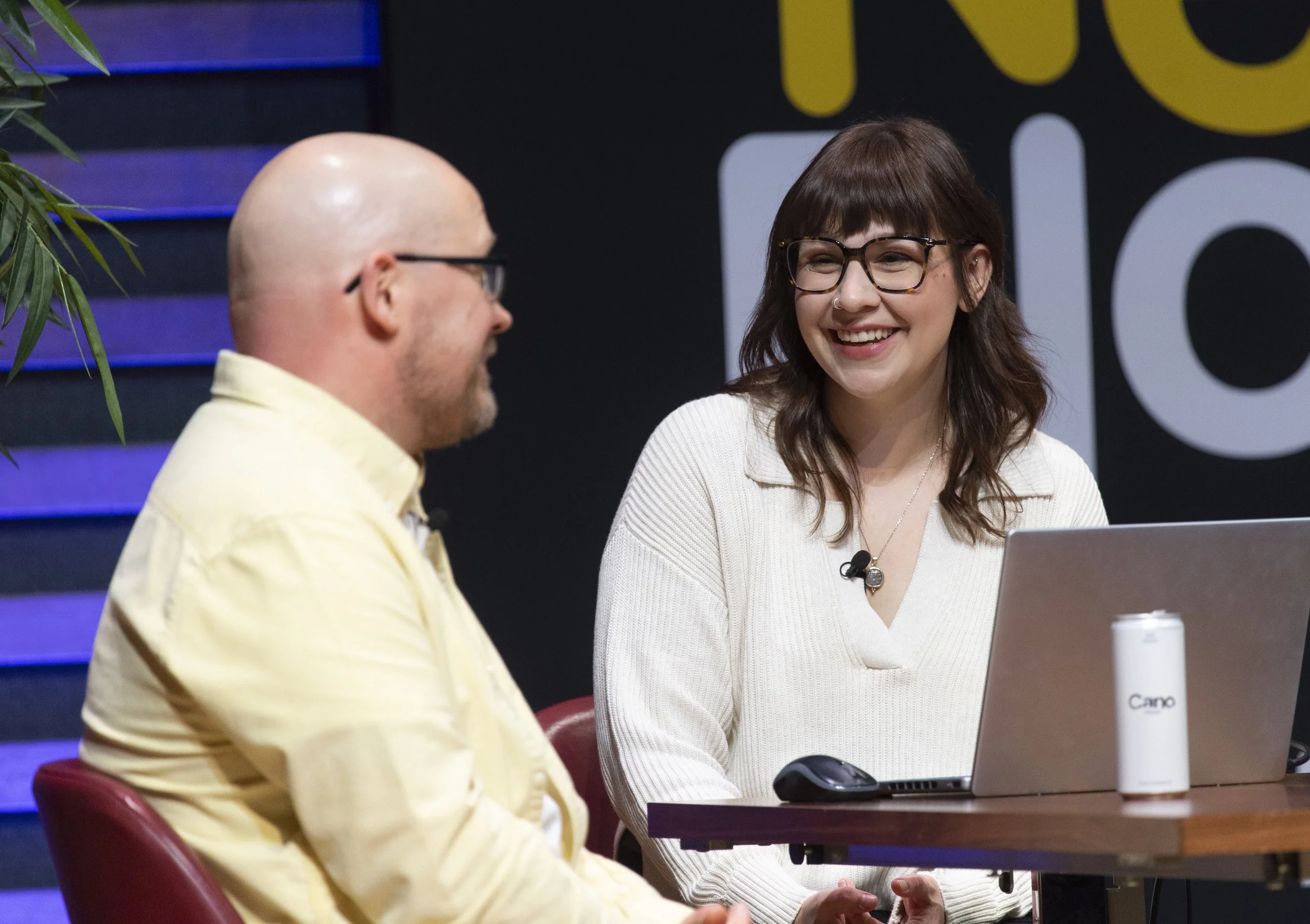
A few weeks ago, Rebecca and I sat down with a client for his first planning meeting. If you’re thinking this isn’t really news, then you’d be right. Except this time, the walls of the room were off and we were doing it live on stage, in front of an audience of our peers, the wider industry, and over 100 university students potentially interested in a career in Financial Services.
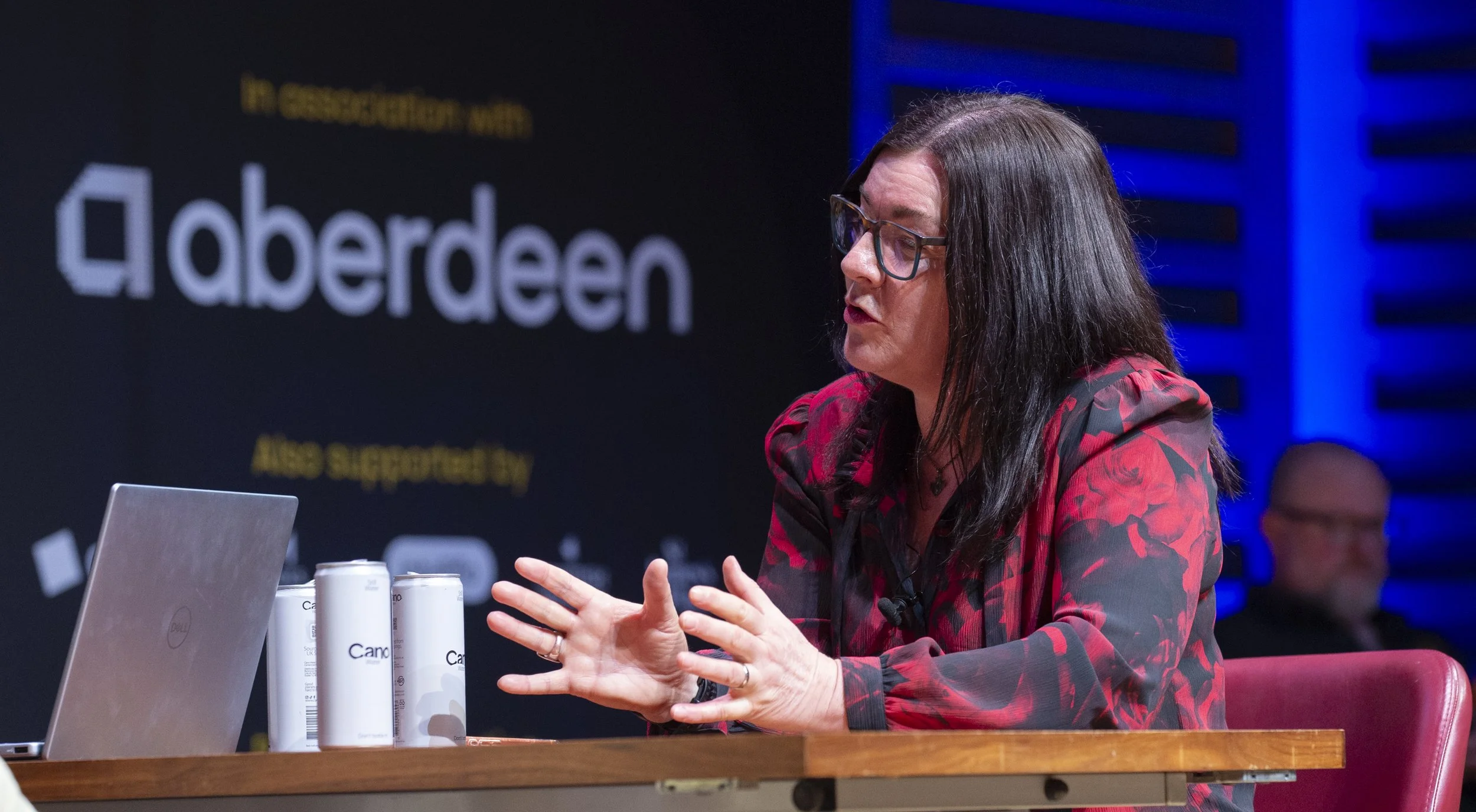
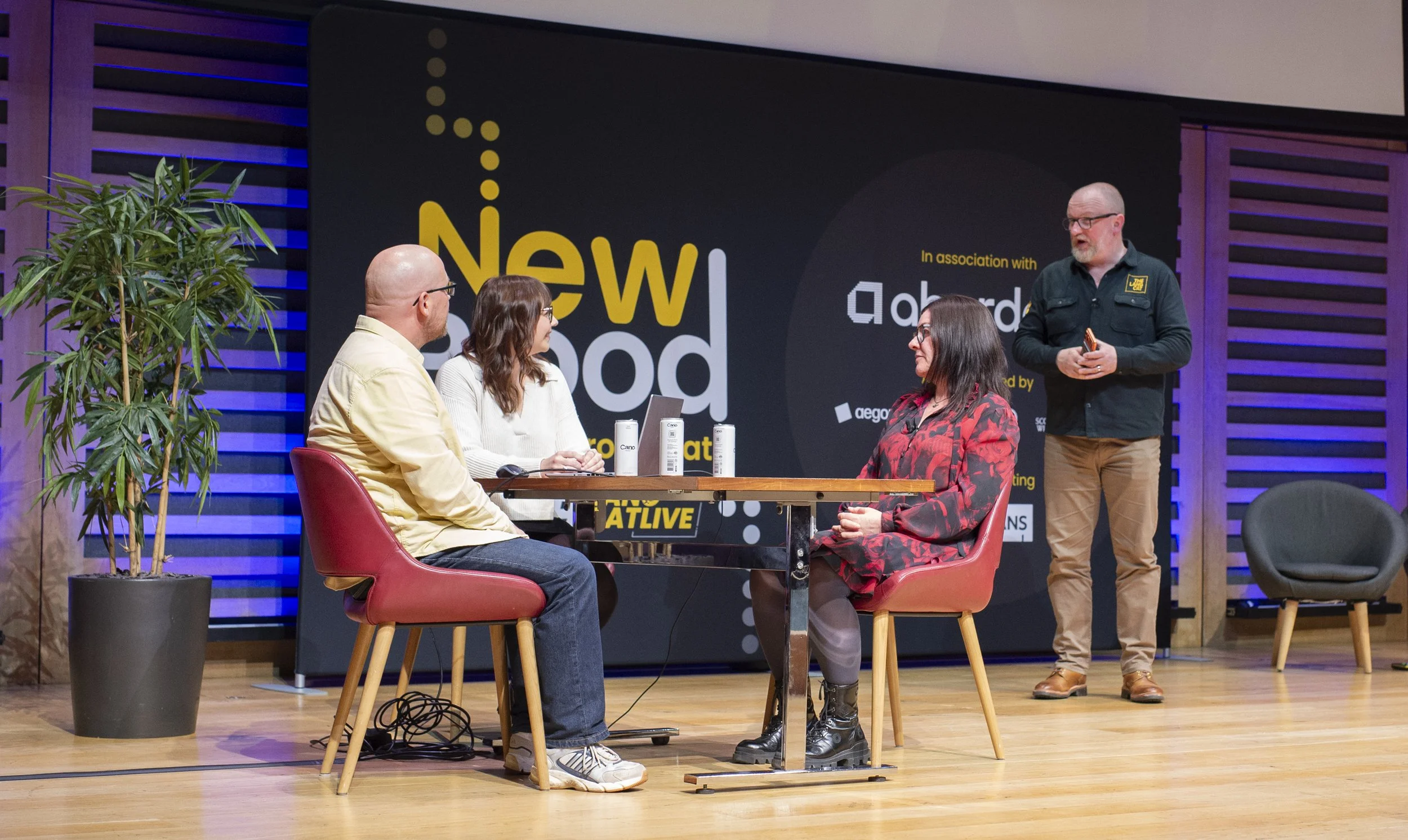
The event, run by the magnificent folk at The Lang Cat, aims to bring new blood into financial services. Some of us are getting on a bit now, and it’s vital to bring new people, new thinking and new ideas into a fast paced industry. The future of planning depends on it – and so does the future care of our clients.
The day was designed to give the students a flavour of financial services as a whole - everything from planning and advice through to the technology and platforms that sit behind it. I’m naturally biased towards planning, but it’s a broad industry with dozens of innovative and exciting opportunities for a wide range of skills.
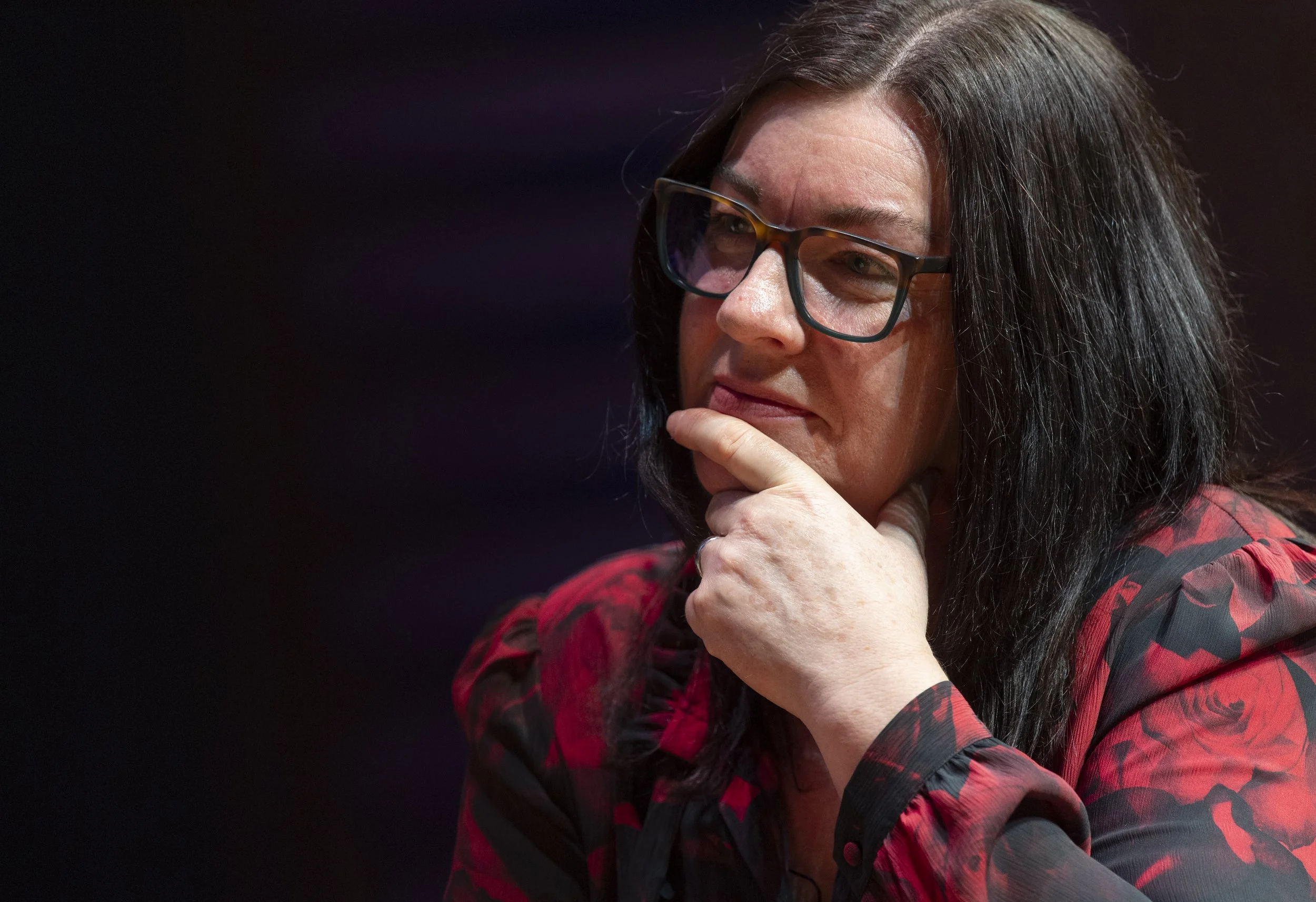
Our client was an actor, the audience had chosen the scenario from three options – and we had no idea what to expect. He’d been briefed on the scenarios, told to come prepared to “talk about life”, but we were all in this together – pretty much exactly how it plays out in real life. Our actor was nervous, just as clients often are when they start their journey with us, and having an audience was a whole new experience for us. Possibly less so for our actor. I’ll be honest, I barely noticed they were there, I was so caught up in the conversation we were having.
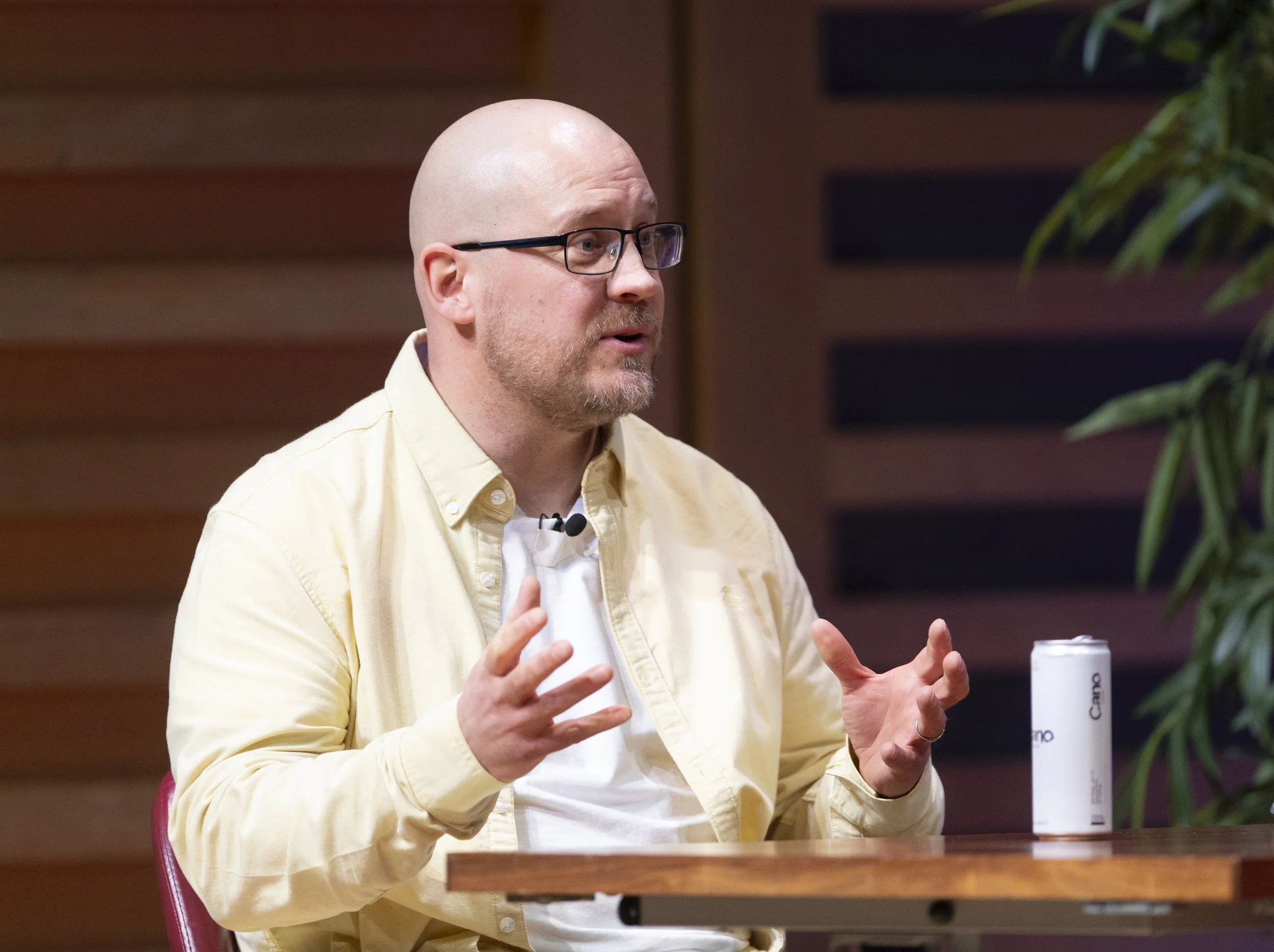
A few minutes before we went on stage for the first planning meeting, we were given a brief outline of the scenario the audience had chosen. Rebecca read it to get her enormous technical brain fired up – I chose not to. We never know what a new client is going to bring with them and that’s exactly how I like it – I talk to the person sitting in front of me, whoever they are. There’s nothing scripted at FLP; come as you are, bring what’s important to you, and we’ll have a series of thoughtful conversations.
Onstage, we stuck as closely as possible to our usual process with clients. Our actor played Zander, a business owner and chef who had some big decisions to make about the business that had been in his family for a couple of generations. He wanted to step back, he was worried about the financial implications, he didn’t really know what to do.
Our first meetings are never about the hard data, the facts and figures – they come later. The first meeting is about the person and their story. We only had 40 minutes, but you can do a lot in that time, if you’re paying attention. We explored what stepping back might look like for him and his family, how he’d want to spend his time, what he might have to give up, both materially and in his thinking, how he felt about stepping away from the business his Dad had been so involved in. We didn’t really talk about money at all – because in the end, it’s never about the money. That’s the hook we hang the rest of life on – the important part is what we make it mean. And the greater our understanding of what it means to our clients, the better we can serve them.
In real life, we gather the data about income, outgoings, savings, pensions, investments etc from clients after the first meeting. On the day, that was given to us – and we filled in a few of the gaps. Then it was Rebecca’s turn – so we celebrated this by shutting her in a cupboard to build one of her amazing cashflow models at warp speed. She usually has a few weeks to build one of these – I’ve never seen her produce one in 2.5 hours before. I think there was actual smoke coming off her keyboard at one point. Nonetheless, she prevailed, and we took to the stage again for Zander to see what his financial information looked like when it was overlaid with the things he’d told us about in the first meeting.
This is where the magic happens. It can be hard to imagine what your collections of pots of money and half dreamed plans look like in reality – and that’s what our cashflow meetings are all about. Live scenario modelling, underpinned by actual data, creates bespoke and intensely personal plans for everybody we work with – Zander included. Or, as I’m fond of saying, “Data in, stories out”. But it’s true, and I intend to keep on saying it.
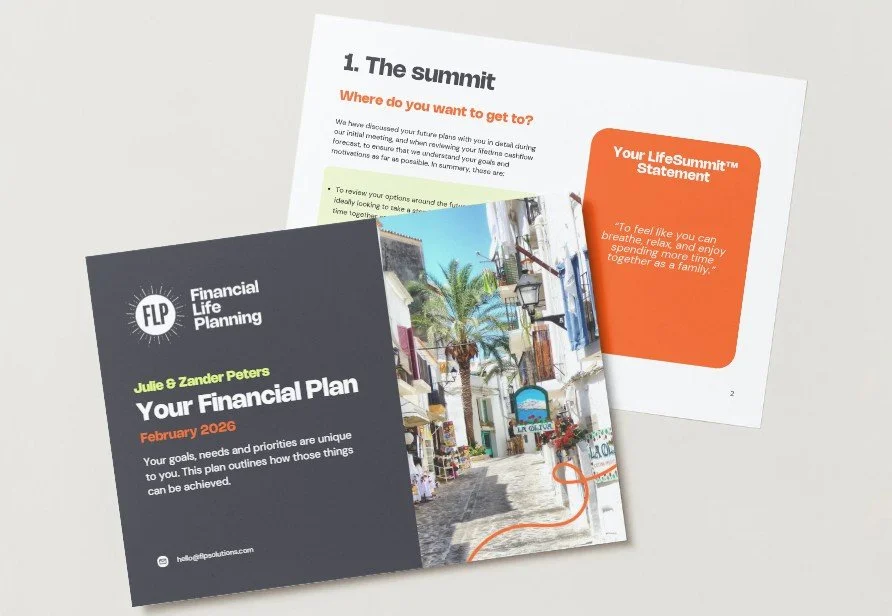
A small snippet of the plan created for our client, Zander.
This was the end of our journey with Zander – a flavour, rather than the full process. Sometimes our clients stop here too – a plan is enough for them. Most go forward to the more traditionally recognisable financial advice part, where we make recommendations around their investments and pensions.
Was it what the audience were expecting? I can’t answer that for definite, but I’d guess that for the large part, it wasn’t. The Lang Cat had collated a series of short videos filmed before the event, where students gave their opinions on what they thought financial planning was all about. “Middle aged white men in suits who play a lot of golf” featured heavily. So did “good at maths”. Now, Rebecca is exceptionally good at maths, but everything else? Not so much. Especially the suits. We don’t do those.
So why did we do it? Honestly, it was a lot of fun. It’s what we do every day and being part of something that gets the best of the profession in front of a wider audience can only be a good thing. On a personal level, it fitted our company culture and values perfectly. I’m the living embodiment of “Not getting any younger” and when my time comes to step back, I’ve always been very clear that I won’t be selling my clients up the river. We’re fully committed to longevity, to diversity of age and thinking and experience. Our clients deserve that, and so do Rebecca, Joe and all future employees of FLP. And if a few of those students in the audience left thinking “that looks like a career I’d enjoy”, then it was a day very well spent.